
The Dyrt: RV & Free Camping
The DyrtTravel & Local
4.62.62K Reviews
- Version
- 6.4.0
- Installs
- 1.00M
- Age Rating
- Teen
Screenshots
Our Review of The Dyrt: RV & Free Camping
 Analysis by Appyee
I find that campground searches often go sideways for a practical reason: a listing can look promising on a screen but still leave you wondering whether it suits your tent, RV, budget, or route. The Dyrt: RV & Free Camping is designed to bring different kinds of camping places into one search, so you can compare options without starting over for every type of stay. It is a travel and local app from The Dyrt, and its focus makes it most useful when choosing where to camp is part of the trip planning rather than an afterthought.
Finding a campground is only the first step
The app is free to download, and its current version is 5.42.0. It has a 4.6 average from around 31,000 ratings, with more than a million installs. Those figures suggest a sizeable audience, but they do not guarantee that every listing will fit your plans. I would treat the app as a way to build and compare a shortlist, then check the details that matter before setting off.
Where campground searches can get stuck
The main challenge is not necessarily finding places; it is deciding which results deserve a closer look. A campground that works well for a tent may not be right for an RV, and a basic site may be a poor match if you are counting on particular amenities. Filters can narrow the search, but they are only useful when you already know what you need. I recommend deciding your non-negotiables first—such as the type of site or whether a pet can come along—then broadening the search if the initial results are thin.
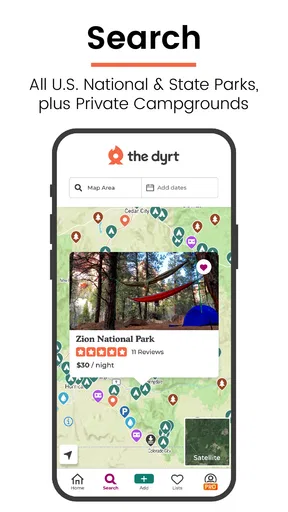
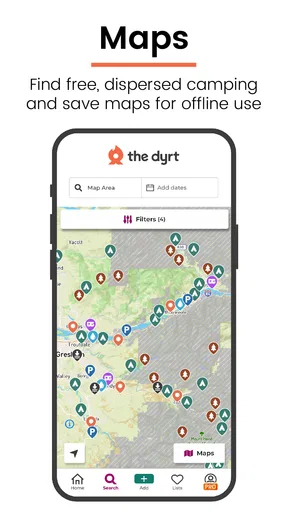
The map view helps me understand how a location fits into a route, rather than judging it only by its name or listing. Still, a map is a planning aid, not a substitute for checking the campground itself. When a place is unfamiliar, I look at its reviews and photos for clues about the setting and the stay, and I pay attention to the age and specificity of what people say. A comment that describes a concrete experience is more useful than a vague thumbs-up.
Make the first search more useful
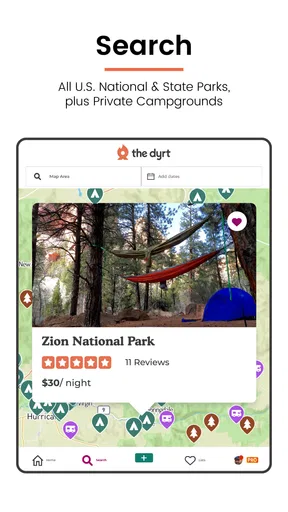
Before searching, I would work out whether I am looking for a state or national park, an RV park, or free camping. The Dyrt brings these kinds of options together, but they are not interchangeable: expectations for facilities, access, and the overall experience can differ considerably. Starting with the kind of stay you want prevents a long list of technically relevant but unsuitable places.
Then I would compare a few candidates instead of committing to the first attractive result. Read the listing alongside the community feedback, and use the map to see whether the stop makes sense for the day’s drive. If one option has little detail, that is a reason to keep a backup rather than assume the missing context will work out. This small habit is especially useful when travelling with an RV or planning to arrive late, when improvising can be stressful.
Reviews help, but they need context
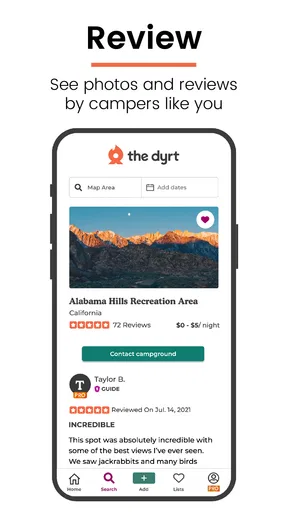
Community reviews and photos are among the app’s most practical elements because they add human perspective to campground listings. They can help me spot details that a short description might not convey, and they give other campers a chance to contribute after a stay. I would not treat a handful of opinions as a guarantee, though. A review may reflect a different season, setup, or preference from mine, so I use it to form questions and expectations rather than as a promise about my own visit.
For example, if I am comparing two places, I look for feedback that addresses the things I actually care about: the character of the site, how it suited the reviewer’s style of camping, and whether the photos support the impression the listing gives. If the details are sparse or the comments point in different directions, I keep another option in reserve. That is a more dependable way to use crowd-sourced information than expecting a rating alone to make the decision.
What to expect from the free and paid options
The app is free, while in-app purchases range from $3.99 to $119.99 per item. The published description of the Pro offering highlights offline maps and discounts at select campgrounds. Those are most relevant to people who camp often or plan trips through areas where reception may be unreliable. Offline maps can be useful when you need to refer to a route or location without a dependable connection, but I would prepare before leaving coverage rather than assume that every part of the app will work offline.
If you camp only occasionally, I would begin with the free experience and decide whether an upgrade addresses a real need. Frequent travellers may see more value in offline access or campground discounts, but the benefit depends on how they travel and whether the places they use make those extras worthwhile. Since purchases vary in price, I would check the specific option and its current terms in the app before paying rather than assuming one upgrade suits everyone.
Setup checks and sensible preparation
The app is rated for Teen and requires Android 7.0 or later. Before relying on it for a trip, I would check that it is installed and opens properly while I still have a connection. Search for the destination or general area in advance, review the options you may use, and make a note of a backup campground. If you intend to use Pro offline maps, prepare that part of the trip before heading somewhere with poor reception.
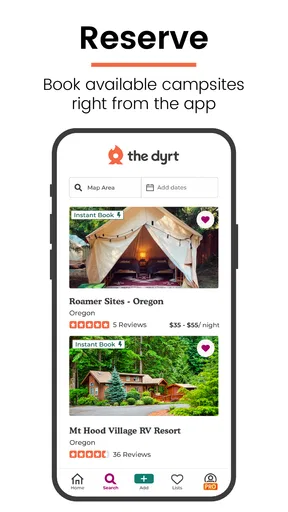
One useful planning habit is to separate discovery from confirmation. Use the app to find and compare possibilities, then verify important arrangements with the campground when your plans depend on specific details. This matters particularly for an RV trip, where a site’s suitability can be more consequential than a general impression. The app helps with the search; a little direct checking can prevent a mismatch at arrival.
Recovering when a search is not going to plan
If a search returns too few promising choices, I would loosen one constraint at a time rather than abandon the whole plan. Remove a nonessential filter, widen the area on the map, or consider a different type of campground if it fits the trip. That makes it easier to see whether the problem is an overly narrow search or simply a lack of suitable options nearby.
If the app is slow to show useful results, I would first check the connection and try again when service is steadier. For a trip where connectivity may disappear, I would not wait until arrival to do all the planning. Keep the destination details you need accessible in advance and have an alternative in mind. These are basic travel precautions, but they matter more when the plan depends on reaching a specific place after a long drive.
When the app is not the whole answer
A campground-finding app cannot make every location a good match, and community feedback cannot remove uncertainty from travel. The Dyrt is less suited to someone who already has a confirmed reservation and only needs directions, or to a traveller who wants a single official source for every operational detail. In those cases, direct campground information or a navigation app may be the better tool for the final step.
It is also not the best fit for people who do not want to compare listings or interpret other campers’ experiences. The app’s value comes from having options and community context to weigh; if you prefer a fixed itinerary with decisions made elsewhere, that breadth may feel like extra work. I see it as a planning companion, not a replacement for checking the details that can change a trip.
A practical verdict for different kinds of campers
I would recommend trying The Dyrt if you regularly compare public parks, RV parks, and free camping, or if you want other campers’ impressions alongside a map-based search. It is especially handy while shaping a route: you can look for a place that fits the day’s travel, narrow the choices, and keep a second option ready. New campers may also appreciate having different styles of campground visible in one place, provided they take time to check what each listing actually offers.
It is less compelling if you only need a one-off answer, already rely on a preferred booking source, or are uncomfortable making decisions from community reviews. I would also avoid treating any listing as confirmation that a site is available or suitable for a particular vehicle. The app can point you toward possibilities, but it cannot replace a final check when a detail is essential to your plans.
Discovering the Great Outdoors
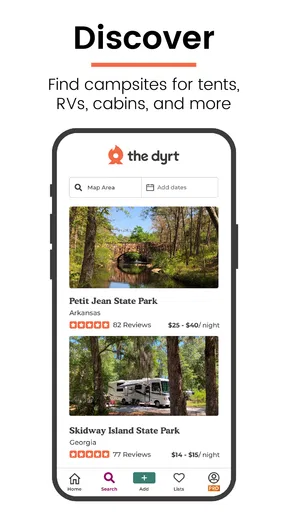
When I first downloaded The Dyrt, I wasn’t sure what to expect. But let me tell you, it’s like having a seasoned camper right in your pocket! The app is packed with a database of over 44,000 campgrounds across the United States, including both paid and free sites. With options ranging from rustic tent spots to fully equipped RV parks, finding a place to rest your head just got a whole lot easier.
Easy Navigation and User-Friendly Interface
One of the first things I noticed about The Dyrt is its intuitive design. The user interface is clean and straightforward, making it super easy to search for campgrounds based on your location. You can filter results by amenities, such as pet-friendly sites or spots with Wi-Fi, ensuring you find exactly what you need for your adventure.
Additionally, the app offers a map view that’s incredibly helpful for visualizing your route. It’s like having a personal guide showing you where to go!
Community-Driven Reviews and Ratings
What truly sets The Dyrt apart is its vibrant community of users. Each campground listing is bolstered by reviews and photos shared by fellow campers. This means you get real, honest feedback about the sites before you even arrive. I found this feature particularly useful when trying to avoid those dreaded "looks-great-but-is-actually-awful" locations.
Plus, if you’re feeling generous after a great stay, you can contribute your own reviews and help out the next camper. It’s a community-driven approach that makes the app feel like a team effort.
Pro Features for the Avid Camper
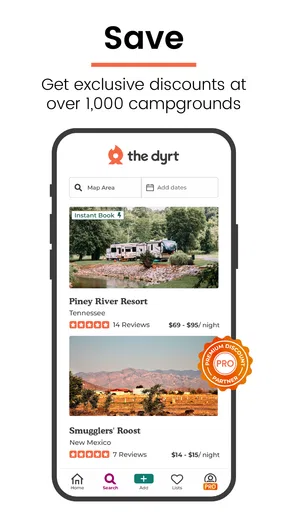
While the free version of The Dyrt is fantastic, there’s also a Pro version for those who take camping a bit more seriously. Pro users get access to offline maps, which is a lifesaver when you’re heading into areas with spotty reception. You also get discounts at select campgrounds, which is a nice perk for those who camp frequently.
It’s worth considering if you’re planning a long trip or if you simply love the idea of having all these extra features at your fingertips.
Final Thoughts
So, is The Dyrt: RV & Free Camping worth your time? Absolutely! This app is a game-changer for anyone who loves the outdoors. It’s packed with useful features, has a supportive community, and it’s all wrapped up in an easy-to-use package. Whether you’re a seasoned camper or just starting out, this app can help you find the perfect spot for your next adventure.
So grab your gear, download The Dyrt, and get ready to explore the great outdoors like never before. Happy camping!
Verdict
Strengths of The Dyrt: RV & Free Camping
- Extensive database of campgrounds.
- User-friendly interface and design.
- Detailed campground reviews and ratings.
- Offline access to maps and listings.
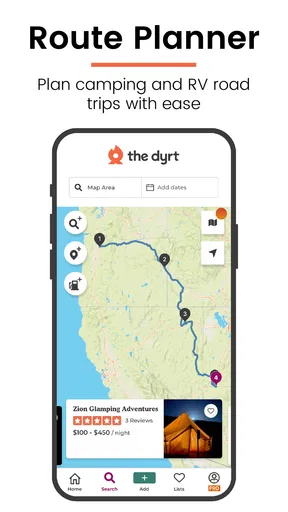
- Personalized camping trip planner.
Limitations of The Dyrt: RV & Free Camping
- Limited free features available.
- Some remote areas lack coverage.
- Occasional app crashes reported.
- Premium subscription can be costly.
- Inconsistent information updates.
Similar Picks in This Category
View All
Google Maps
Google LLC3.4

Google Maps Go
Google LLC4.1

Booking.com: Hotels & Travel
Booking.com Hotels & Vacation Rentals4.8

Google Earth
Google LLC3.8

Skyscanner Flights Hotels Cars
Skyscanner Ltd4.8

trivago: Compare hotel prices
trivago N.V.4.4
Frequently Asked Questions
What is The Dyrt app used for?
The Dyrt is designed for outdoor enthusiasts, offering a comprehensive platform to find and review camping locations, including RV parks and free campgrounds. It helps users discover new spots, plan their trips, and share experiences with a community of fellow campers. With offline access, it’s a handy tool for adventures without cellular service.
Does The Dyrt app require an internet connection to function?
While The Dyrt can be used offline, especially with premium features like map downloads, an internet connection enhances its functionality. Access to reviews, photos, and real-time updates requires connectivity, but planning and navigating to saved locations can be done without it, making it ideal for remote camping trips.
Is there a cost to use The Dyrt app?
The Dyrt offers a free version that includes basic features like campground searches and reviews. For enhanced capabilities, such as offline maps and discounts on camping fees, users can opt for The Dyrt PRO, a subscription service offering a more robust experience for serious campers.
How reliable is the information on The Dyrt app?
The Dyrt relies on user-generated content for campsite reviews and photos, making it a valuable resource with varied perspectives. While most users find the information helpful, it's important to cross-reference reviews and check for recent updates to ensure accuracy, especially for lesser-known sites.
What features does The Dyrt PRO offer?
The Dyrt PRO provides advanced features like offline access to maps, discounts on camping fees, and trip-planning tools. Users can also enjoy a road trip planner that highlights camping locations along their route, making it easier to find stops without deviating from their journey.
